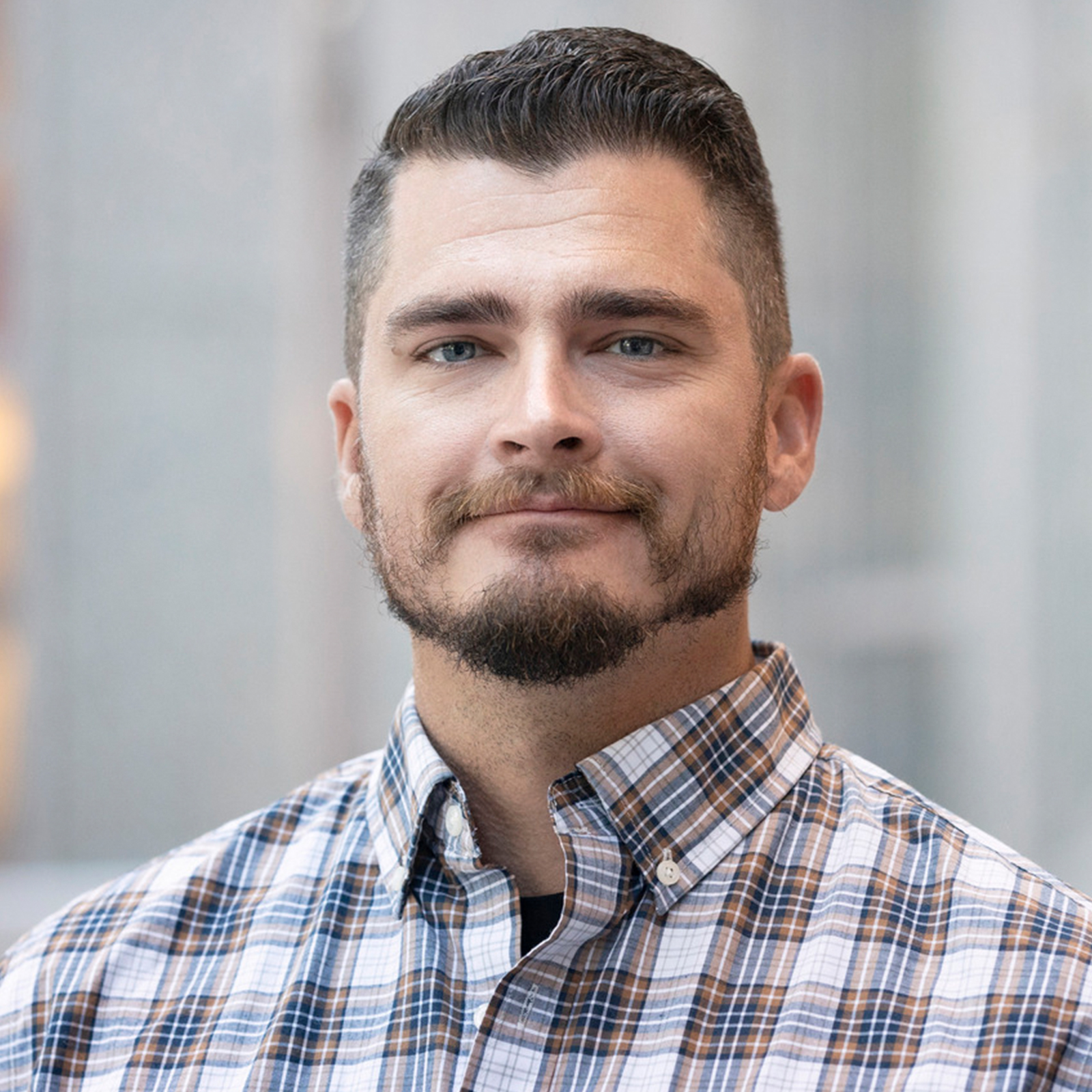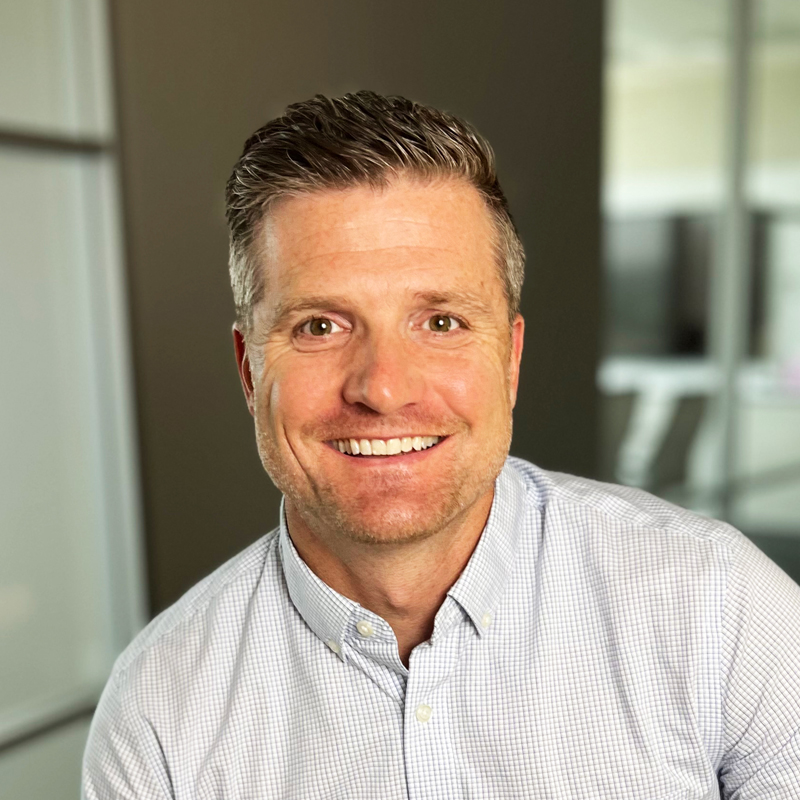
Jeff Longacre
Relentless Ally
Setting the Bar for Seattle Special Projects
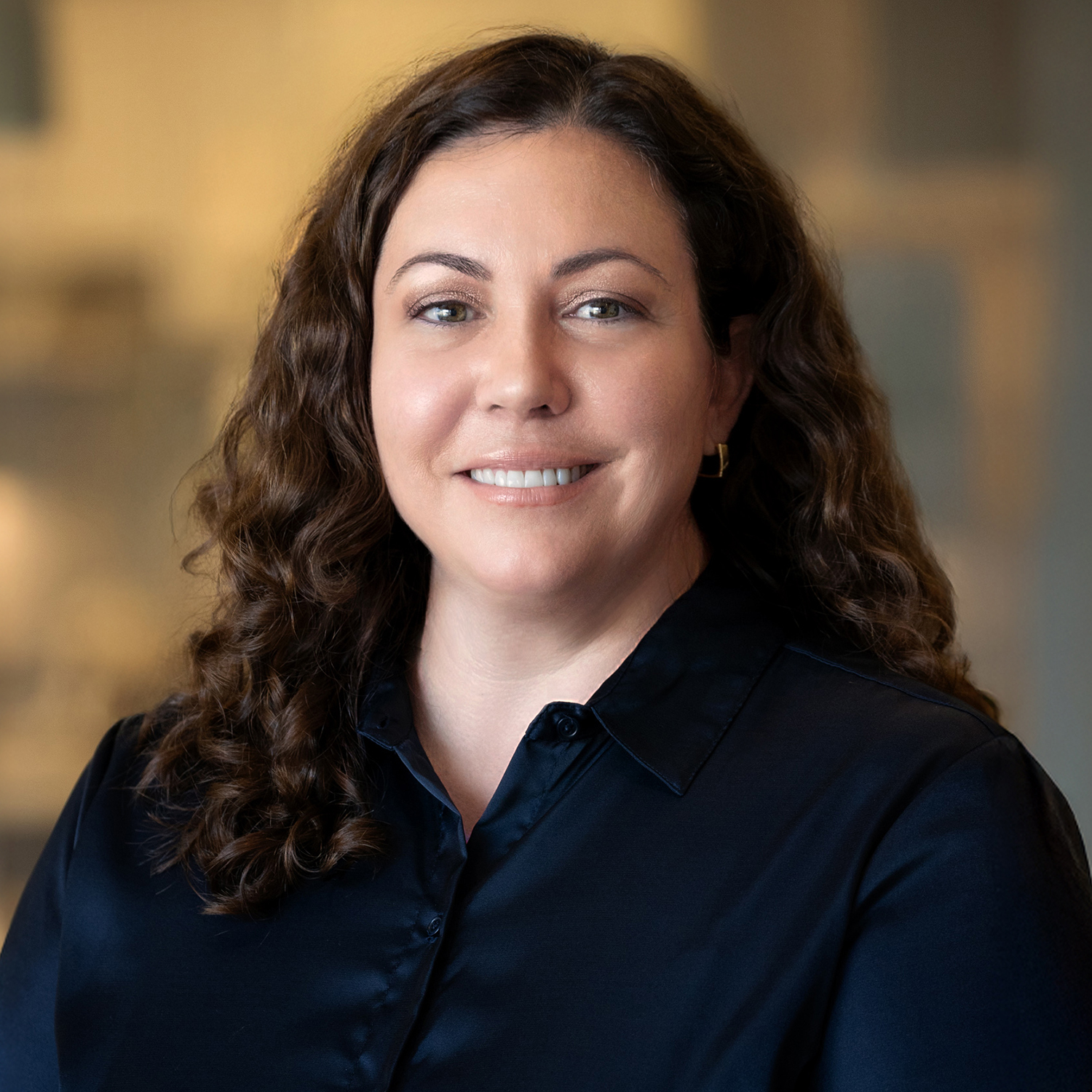
Jeff Longacre knows a thing or two about consistency. Throughout his 32-year career, he’s worked for one company, in one market sector and remained committed to one overarching goal: delivering successful special projects – nearly 500 to be exact.
Behind that consistency is a man who wears many hats as the company’s vice president and special projects business unit leader in Seattle, Washington. From business development to estimating, scheduling, recruiting top talent and more, Jeff still enjoys every facet of special projects as much as his first day on the job. In fact, Jeff believes success in this fast-paced sector hinges squarely on a team’s adaptability and versatility.
They are qualities Jeff has in spades. Having worked his way through college as a residential carpenter, Jeff learned the industry from the inside out. He credits his time in the field with providing a practical perspective on project execution as well as a direct lens into clients’ deeply personal connection to the work.
“Swinging a hammer taught me how to be a better estimator and scheduler,” affirms Jeff. “Emotions can have a direct impact on the decisions clients make, whether it’s a home or office building. I learned how to build relationships based on trust and communicate effectively with my clients to understand their goals.”
Trust: The Secret Sauce to Special Projects
Upon graduation from the University of Washington with dual majors in architecture and construction management, Jeff began an internship with Howard S. Wright, a Balfour Beatty company (HSW). As Jeff explored HSW’s diverse markets, he quickly discerned the alignment between his unique background and the skillsets required for special projects. At the time, however, special projects weren’t exactly a young builder’s coveted career path.
“When I started out, you could say special projects was the red-headed stepchild of the industry. Most people who get into construction want to work on projects that change skylines. That’s not special projects.”
But Jeff intuitively sensed just how special—that special projects could truly be. From the opportunity to collaborate with project partners at a much earlier stage in one’s career to the increased ownership of project decisions and their impact on budget and schedule, special projects don’t just require our teammates to wear many hats. To deliver highly custom projects that move forward at lightning speed, they must wear those many hats exceedingly well.
“In special projects, you’re not separated from the client by an RFI,” says Jeff. “Superintendents are proposing value engineering solutions to clients face-to-face in the field, and project engineers can begin cultivating what we call ‘living room relationships’ with our clients at a very early age.”
It’s one of the primary messages which enables Jeff to successfully recruit new talent to join their thriving and full-service special projects team which also performs maintenance and warranty work.
Jeff believes it’s this highly collaborative and solutions-oriented approach that helps HSW build such trusted relationships with our special projects clients and partners across a vast array of market sectors and delivery methods. An added layer of trust is needed for projects within occupied facilities, when special projects teams must provide real-time and enhanced communication and coordination efforts to ensure Zero Harm.
The Door to More
Over the decades, clients have come to depend on Jeff’s guidance and that of his teammates, and the entire business has reaped the results. From a Confidential Online Global Retailer to leading banking institutions and even educational institutions including his alma mater, our Northwest operations enjoy a nearly 90% repeat client rate.
“A client is often willing to go out on a limb on a $50,000 job more than a $50 million job,” maintains Jeff. “Once a client starts understanding that they can rely on our guidance and that the guidance adds real value, you start to build trust which can often lead to repeat work or even major capital projects.”
To help attract the workers back to the office post-pandemic, commercial clients are increasingly seeking Jeff’s expertise on design and construction choices that embody their culture, values and identity. Under Jeff’s leadership, the team has built mock-ups and conducted pilot programs to help meet their clients’ goals for the modern workplace.
The Staying Power of Special Projects
Although Jeff has more than three decades of special projects experience under his toolbelt, he doesn’t plan on exploring other market sectors anytime soon. He loves the people, frenetic pace and even the unpredictability special projects can bring.
“I never know what I’ll be doing three or even six months from now,” says Jeff. “We’re always assembling new teams, we’re always estimating, we’re always scheduling. I’m not going anywhere. I’m having too much fun.”
Read More
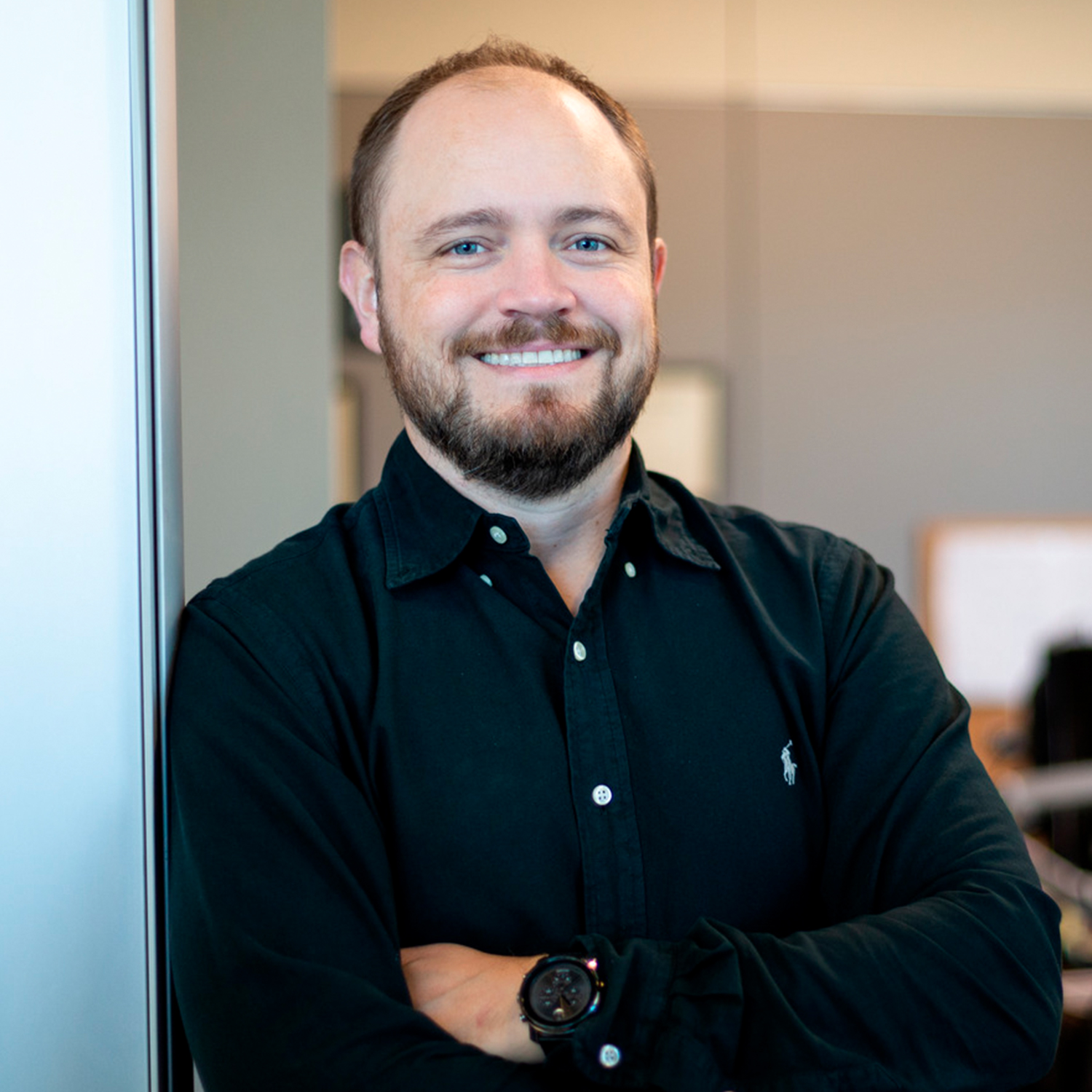
Daniel Shirkey
Relentless Ally
Daniel Shirkey: A People-First Champion of Lean Construction
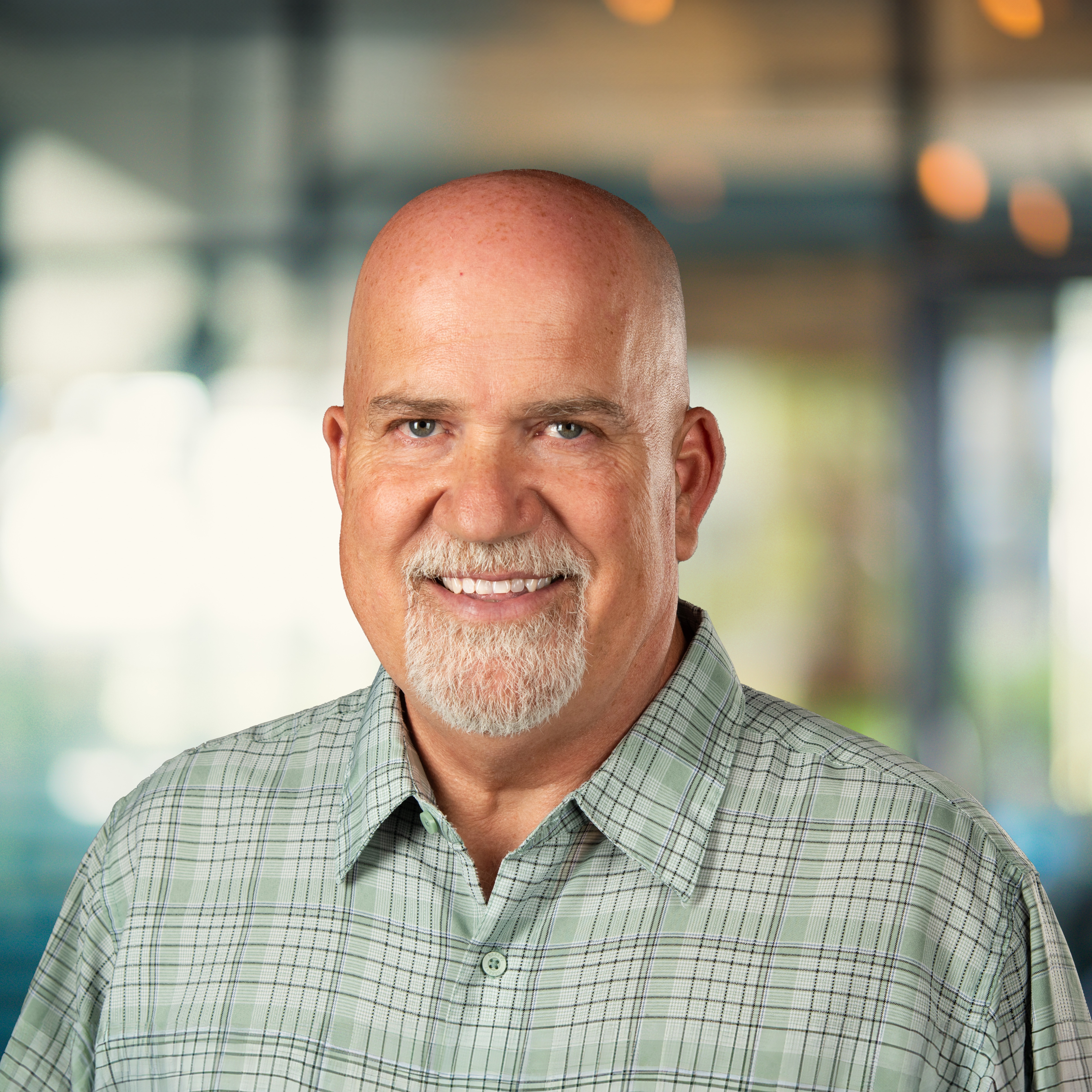
Daniel Shirkey recalls the moment that changed the trajectory of his career like it was yesterday.
While en route to a concrete conference, Daniel’s professor of construction engineering at San Diego State University casually recommended he check out the Lean Construction Institute (LCI). At the time, the professor could not have possibly foreseen the extent to which Daniel would take this advice to heart—or how it would ultimately inspire and shape his philosophy on building.
Sixteen years later, Daniel has not only become a respected practitioner of lean, but he has also risen through the LCI volunteer ranks to become Chair of this year’s Congress. The annual event, widely esteemed within the AEC community, draws together hundreds of industry professionals and owners to gain new ideas and perspectives that advance their lean journeys. As Chair, Daniel leads multiple volunteer committees and collaborates with LCI staff on event planning, programming and logistics.
This high-profile leadership role is the latest in Daniel’s near decade of involvement with LCI, which includes positions as chair of the LCI San Diego Chapter Community of Practice (CoP) and membership in the Congress Content and Outreach Committee, where he has played an instrumental role in the abstract review process among other contributions.
Daniel has been a member of LCI since 2009 and attended a total of six Congresses over the years.
A People-First Lens on Lean Construction
Behind Daniel’s impressive legacy of service to LCI is a deep-seated belief that lean tools and methodologies have the power to transform the built industry as we know it. Although benefits of lean construction such as improved efficiency, better cost control and reduced risk are broadly known, Daniel believes it is lean’s most fundamental principle - respect for people - that has the greatest alignment with the tenets of Balfour Beatty’s people-first culture.
And in his role as Sr. Director of Technology & Operations Improvement in California, that’s precisely where Daniel sets his focus: people.
“When it comes to construction technology, yes, we have our client, but we also have our internal customer - our operations teammates, design team members and trade partners putting work in place,” says Daniel.
He makes it a priority to “go and see,” regularly visiting jobsites to discuss workflows, challenges and the value project teams derive from company tools and technology platforms and adapting workflows as necessary based on feedback.
Lean: It’s for Everyone
Daniel believes that his work with LCI and adoption of lean has made him a better technology advocate for the business and hopes to inspire others to explore the ways in which lean principles and tools can benefit them.
He is quick to dispel myths surrounding lean, including that it is difficult to learn and primarily only applicable on large-scale projects with Integrated Project Delivery (IPD) delivery models. On the contrary, Daniel believes that lean journeys can and should begin anywhere, at any time, on any project, for anyone.
“I’m passionate about the message that lean can be valuable to everyone,” says Daniel.
He encourages industry professionals to begin by familiarizing themselves with Gemba Walks and the Last Planner System®. The latter, developed by LCI founders Glenn Ballard and Greg Howell, is a comprehensive approach to project management that encourages greater collaboration between team members to produce more accurate plans and reliable schedules.
With the rise in collaborating contracting models such as design-build, which create greater runway for the deployment of lean tools such as Balfour Beatty’s propriety SmartStart® process, Daniel sees the appetite for lean only growing into the future as more owners experience its value. Just as importantly, the interest is rising among top industry talent who know first-hand the difference between working on a collaborative project or one plagued by inefficiencies.
The spark that Daniel’s professor ignited many years ago has grown to become an inspired and ever-evolving journey in his pursuit of the spirit of lean: continuous improvement. It is through the progressive vision, encouragement and commitment of lean leaders at Balfour Beatty like Daniel that our own lean journey is continuing to take root, drive innovative practices and deliver ever-greater value for our teams, partners and projects.
Interested in learning more about lean construction or ways you can get involved with the Lean Construction Institute (LCI)? Reach out to Daniel to learn more.
Read More

Carter Gulacy
Relentless Ally
Making Her Mark on Portland
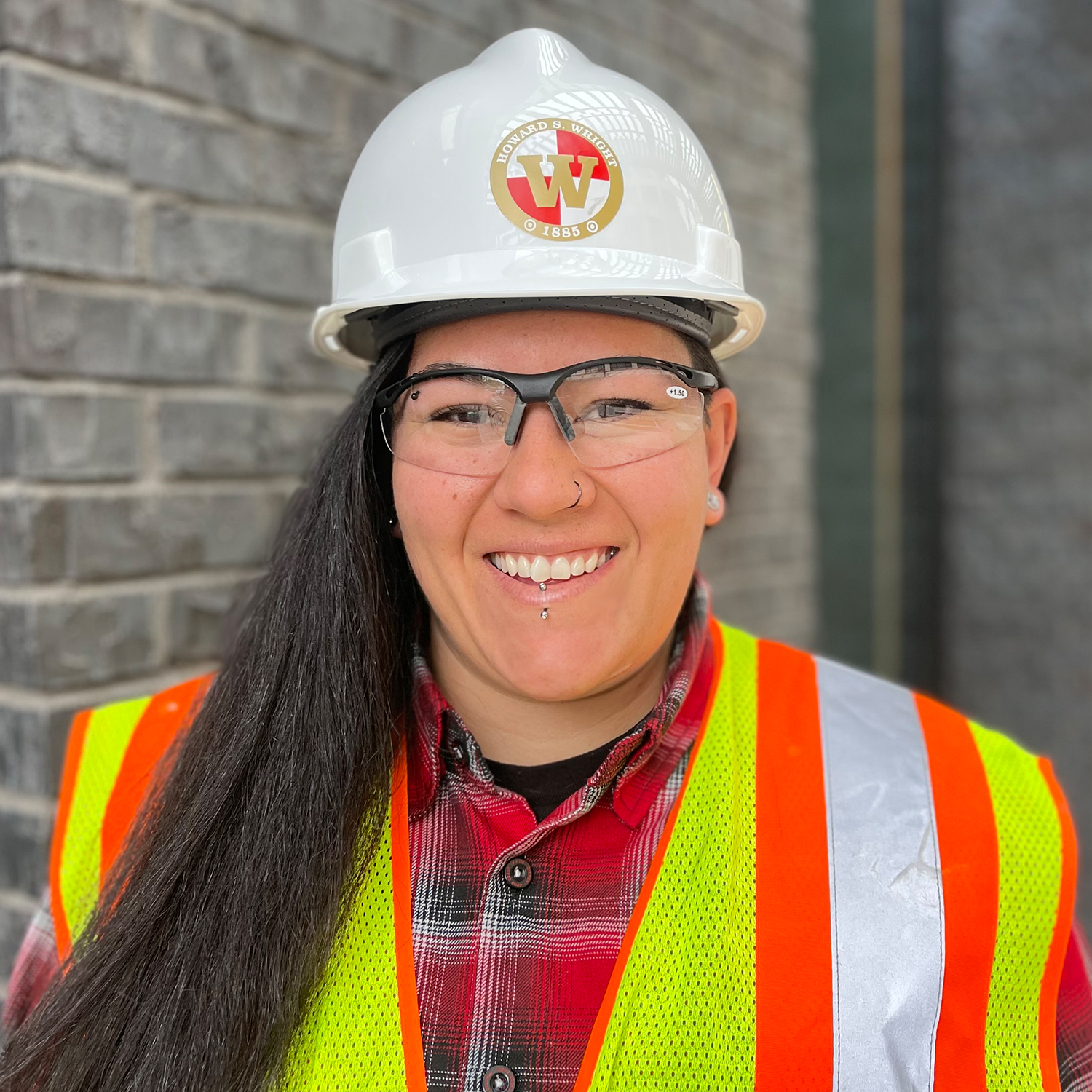
When Superintendent Carter Gulacy isn’t working on impressive projects like The Springs, the Hoxton Hotel, the Portland Building, Broadway Tower or our very own Portland office, she is committed to guiding the next generation of construction professionals. How does she know the importance of mentorship? Because that’s what ignited her interest in construction.
Growing up working on the family ranch, Carter’s work ethic was no secret. She knew she wanted to pursue a career working with her hands and creating something, but she – like many teenagers – wasn’t sure what other opportunities existed.
When an acquaintance who worked in the construction industry mentioned they believed Carter had the skills to be successful, she kept his number for more than a year before finally reaching out. With his guidance and personal reference, Carter successfully jumpstarted her career.
Accomplished Field Leader
Today, no job is too big, too small or too challenging for Carter. Her impressive portfolio spans diverse market sectors from hospitality and commercial high-rises to mixed-use developments, special projects and beyond. This experience has honed Carter’s skillsets working on both core and shell structures and interiors, making her an even more well-rounded leader in the field.
In the process of helping transform Portland’s skyline, Carter has also become a cornerstone of our recruitment and retention efforts in the Northwest. Her passionate advocacy for the next generation of construction professionals, specifically tradespeople, has positively impacted our ability to attract and retain skilled workers, addressing a critical, industry-wide challenge.
“I began in the field and always want to be an outlet for who may be struggling on a job and not sure who to talk to about it,” she says.
Apprenticeship Advocacy
Carter is actively involved with two pre-apprenticeship programs offered by the Pacific Northwest Carpenters Institute (PNCI). Pre-apprenticeship programs help those starting out gain skills and experience as well as enhance their credentials and networks that are needed to begin a career.
The first, Portland Youth Builders, is a program that helps guide and educate young adults who are interested in working in the trades. During six- to eight-week programs, Carter (as well as other superintendents, project managers, project engineers and specialized tradespeople, such as masons and ironworkers) interview the young professionals and answer questions, explain roles within the industry and guide them to a field that suits their skillsets and passions.
The second is a Carpenters Pre-Apprenticeship Program for high school students interested in carpentry. This program has the same interview process, but provides students experience through summer internships, helping pave the way for their entry into the industry upon graduation.
Over the years, Carter has also mentored and supported numerous young professionals, all of whom have successfully secured employment within the local contractor community. Her commitment doesn't end with job placement; Carter maintains ongoing relationships with her mentees, continually leveraging her network to connect them with new opportunities in the industry.
Mentoring Close to Home
Turning her sights closer to home, Carter has also taken a leading role in strengthening the local Howard S. Wright “Foreman Four” training program. This initiative brings together laborers, carpenters and general foremen in monthly sessions to develop crucial skills such as communication, adaptability and leadership.
Carter is actively working to expand the program by incorporating a mentorship component, ensuring that foremen receive ongoing professional development support as they advance in their careers.
Carter's influence extends far beyond the projects she builds. Her dedication to sharing skills and supporting colleagues ensures that that influence will continue to shape our projects and our people for years to come.
Read More